Understanding Elbow Disorder in Dogs: Detection and Care
Elbow dysplasia represents a prevalent skeletal issue affecting dogs, notably within certain breeds. It emerges via diverse symptoms, encompassing limping and swelling. Identifying its causes and signs is vital for quick response. Proper diagnosis and a selection of treatment options are necessary for boosting a dog's quality of life. Yet, successful treatment surpasses medical treatment alone. Examining nutrition and preventive approaches can significantly affect results. What are the main factors that pet owners should examine?
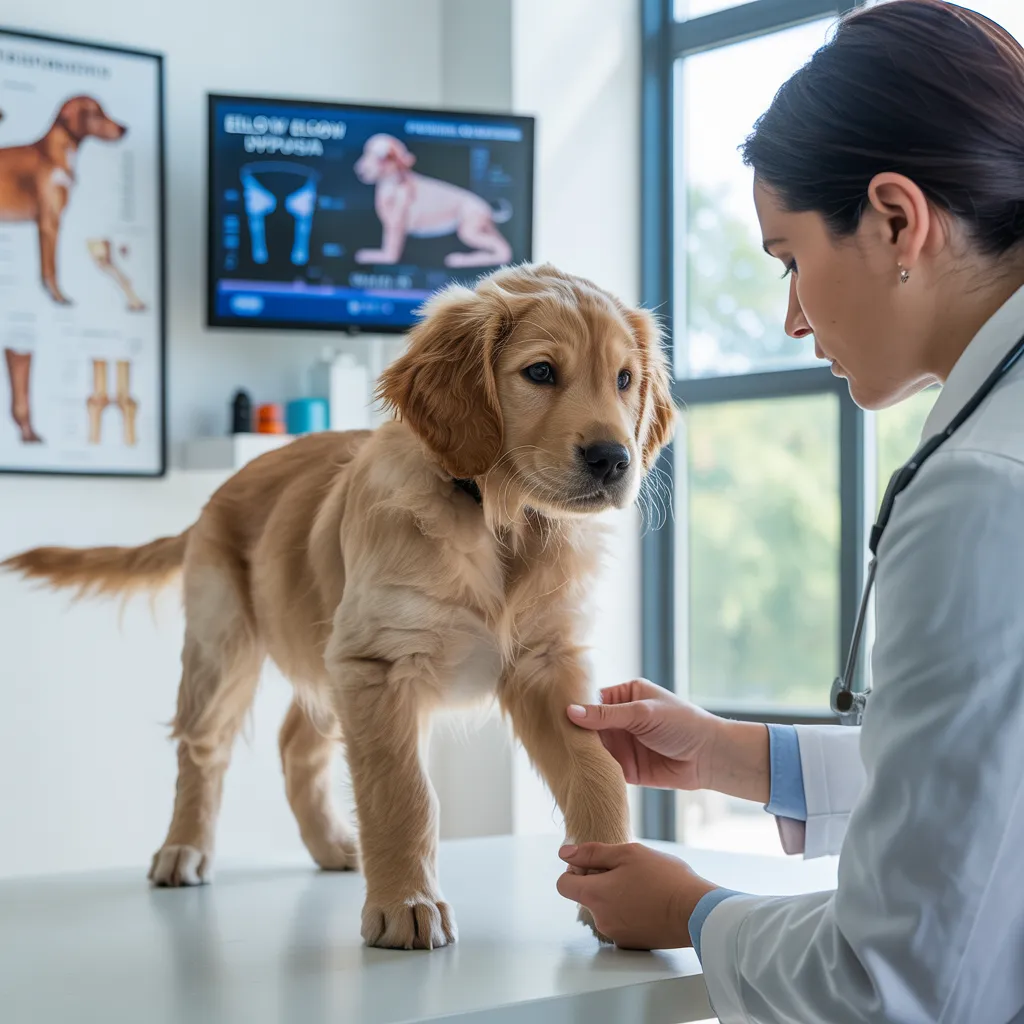
Explaining Elbow Dysplasia and the Elements Behind It?
Elbow dysplasia is a routine skeletal condition concerning dogs, distinguished by aberrant formation of the elbow joint. This condition typically arises from a combination of genetic, environmental, and developmental factors. Certain breeds, such as Labrador Retrievers and German Shepherds, are predisposed due to familial predispositions that alter joint formation. Accelerated development during puppyhood, joined with added weight, can aggravate the condition, leading to faulty positioning of the elbow joint components.
Additionally, aspects including dietary deficiencies may contribute to the progression of elbow dysplasia, especially when puppies receive excessive calories or certain nutrients. Trauma or damage to the elbow during vital growth periods may also affect the emergence of this condition. Understanding these factors is vital for breeders and dog owners, as prompt intervention can help mitigate the dangers associated with elbow dysplasia and support healthier joint development in dogs.
Identifying the Signs of Elbow Dysplasia in Your Dog
Identifying the signs of elbow dysplasia in dogs is essential for early intervention. Typical symptoms include limping and reluctance to engage in physical activities, while changes in behavior may manifest as increased irritability or withdrawal. Additionally, physical signs of pain, such as swelling or stiffness in the elbow joint, warrant immediate attention from a veterinarian.
Ordinary Symptoms to Pay Attention To
How can a pet guardian identify potential issues with their pet's elbows? Frequent symptoms of elbow dysplasia include clear lameness, especially after exercise or prolonged rest. Owners may detect stiffness when the dog rises or a hesitation to engage in physical activities like jumping or running. Swelling around the elbow joint can also be a key indicator. Dogs might show signs of discomfort, such as licking or chewing at the affected area. Additionally, an abnormal range of motion in the elbow can be seen during routine activities. It’s important for owners to pay attention to these signs closely, as early detection can greatly influence treatment options and overall quality of life for the dog.
Conduct Shifts to Monitor
When a dog starts to suffer from discomfort due to elbow dysplasia, minor behavioral shifts may emerge that owners should be attentive to. Increased irritability or restlessness can indicate deep-seated discomfort, as the dog may grow less patient of handling or play. Furthermore, dogs might exhibit unwillingness to participate in activities they previously loved, such as fetching or running, demonstrating their discomfort. Alterations in sleep habits, including increased sleep or trouble locating a cozy spot, may also be observed. Additionally, a dog may seek out isolation, choosing to remain apart from family members or other pets. Identifying these behavioral changes is essential for early intervention and can help in managing the condition successfully.
Visible Physical Indicators of Pain
Spotting the physical signs of pain in a dog with elbow dysplasia is crucial for timely intervention. Common signs include limping, reluctance to engage in physical activities, and difficulty rising from a lying position. Dogs may also show signs of discomfort when the affected elbow is touched or manipulated. Swelling around the joint can be another visual cue, along with altered posture, where the dog may favor one leg over the other. Additionally, an increase in vocalizations, such as whining or growling, during movement can indicate pain. Monitoring these signs is vital, as early recognition can lead to effective management and treatment, ultimately improving the dog's quality of life. Regular veterinary check-ups are advisable to assess joint health.
Understanding Assessment of Elbow Dysplasia in Dogs?
The identification of elbow dysplasia in dogs requires a combination of clinical signs observation and examination procedures performed by veterinarians. Diagnostic imaging techniques, such as X-rays, play an important role in confirming the presence of abnormalities. Accurate diagnosis is essential for management and treatment that works well of the condition.
Clinical Indicators Inspection
While monitoring a dog suspected of joint problem, several indications can develop, showing the presence of this condition. Typically, the dog may show lameness, especially after exercise, which may manifest as a reluctance to engage in exercise. Swelling around the elbow joint might be noticeable, and the dog may exhibit pain responses when the joint is examined. Furthermore, rigidity, particularly after inactivity, assessment can be observed, along with irregular gait movements. The dog may also assume a "double-suspensory" stance, preferring one leg over the other. Alterations in behavior, including increased irritability or withdrawal from play, may occur due to pain. Recognizing these symptoms is critical for timely intervention and management.
Diagnostic Imaging Approaches
Correct diagnosis of elbow dysplasia in dogs often depends on various diagnostic imaging techniques. Radiography, or X-rays, is the primary method to visualize the elbow joint, permitting veterinarians to spot abnormalities such as fragmentation of the medial coronoid process or osteophyte formation. In some cases, advanced imaging techniques like computed tomography (CT) or magnetic resonance imaging (MRI) may be utilized for a more comprehensive assessment, especially when soft tissue involvement is suspected. These methods aid in evaluating the extent of the disease and planning appropriate treatment. Additionally, the use of contrast agents during imaging can improve visualization of joint structures, facilitating the detection of subtle lesions that may not be visible on standard X-rays.
Veterinary Examination Techniques
Veterinarians initiate the diagnosis of elbow dysplasia in dogs through a detailed clinical examination. This process typically includes a detailed evaluation of the dog's medical history, concentrating on any signs of lameness or discomfort. During the physical examination, veterinarians evaluate range of motion, probe the elbow joint for pain, and observe the dog's gait. If abnormalities are detected, further diagnostic imaging, such as X-rays, may be recommended to visualize the joint structures. Advanced imaging techniques, like CT scans or MRIs, can provide additional insights into the condition. By combining clinical findings with imaging results, veterinarians can accurately diagnose elbow dysplasia, facilitating a tailored treatment plan that addresses the specific needs of the affected dog.
Comprehending Therapy Possibilities for Elbow Dysplasia
Elbow dysplasia in dogs offers various treatment options intended to alleviating pain and strengthening joint function. These options may include conservative management, such as weight management and therapeutic treatment, which can help alleviate stress on the compromised joint. NSAIDs (NSAIDs) are often prescribed to handle pain and inflammation.
In more severe cases, surgical procedures might prove necessary. Procedures like arthroscopy can be performed to remove loose fragments or repair damaged cartilage, while more invasive surgeries may involve joint reinforcement. Post-operative care is essential and may encompass a tailored rehabilitation program to regain mobility.
In certain cases, alternative therapies, such as acupuncture or laser therapy, may be investigated to complement traditional treatment methods. Ultimately, treatment plans should be tailored to each dog's specific needs, taking into account the severity of the dysplasia and the dog's overall health status.
Approaches of Managing and Avoiding Elbow Dysplasia
Mitigating and managing elbow dysplasia entails a proactive method that stresses a dog's overall health and physical condition. Routine veterinary check-ups are essential for prompt detection and intervention. Sustaining a balanced exercise routine facilitates strengthening the muscles around the elbow, enhancing joint stability. Partaking in low-impact activities, such as swimming and controlled leash walks, diminishes stress on the joints while still providing necessary physical activity.
Proper training techniques can also help supervise a dog's movement patterns, lowering the possibility of injury. Additionally, it is important to monitor a dog's maturation, especially in large breed puppies, as rapid growth can exacerbate joint complications. Prior socialization and controlled play can support sound habits and decrease the prospect of rough play that might overload the elbows. Overall, a extensive care plan that includes regular veterinary consultations and proper physical activity can meaningfully contribute to preventing elbow dysplasia in dogs.
Nutrition and Weight Management for Elbow Dysplasia Care
A well-balanced diet plays an essential role in the care of dogs with elbow dysplasia. Proper nutrition supports joint health and can help manage inflammation, which is critical for affected dogs. High-quality protein sources, healthy fats, and essential vitamins and minerals are essential components. Omega-3 fatty acids, found in fish oil, may reduce joint inflammation and pain.
Weight management is equally important, as excess weight places additional strain on the joints, exacerbating symptoms of elbow dysplasia. Maintaining an ideal body condition can enhance mobility and quality of life. Regular monitoring of a dog's weight and adjusting food intake, along with controlled portions, is suggested.
Integrating joint supplements like glucosamine and chondroitin can also be beneficial, but should be discussed with a vet professional. Overall, a individualized nutritional strategy can greatly aid in the management of elbow dysplasia, promoting long-term wellness and comfort.
When is it Time to Visit a vet About Elbow Dysplasia?
Recognizing when to visit a veterinarian about elbow dysplasia is crucial for ensuring a dog's sustained well-being and ease. Early signs such as limping, reluctance to exercise, or difficulty in rising should prompt prompt veterinary attention. Owners should also obtain professional advice if they notice swelling around the elbow or audible clicking sounds during movement, as these can indicate joint instability.
Periodic check-ups are suggested, particularly for types susceptible to joint disease, such as Labrador Retrievers and German Shepherds. Vets can give advice on fitting imaging studies, which may feature X-rays, to confirm the ailment and measure its intensity.
Furthermore, if a dog's symptoms worsen despite at-home management strategies, such as weight control and restricted exercise, seeing a vet is imperative. Timely intervention can assist in pain relief and enhance the dog's quality of life, possibly avoiding further complications.
Questions That Are Frequently Asked
Can Elbow Dysplasia Impact All Dog Breeds Equally?
Elbow dysplasia does not affect all dog breeds equally; bigger dog breeds are more frequently affected. Hereditary factors and anatomical variations lead to different levels of vulnerability, making some breeds more susceptible to this condition than others.
What Stage of Life Commonly Sees Symptoms of Elbow Dysplasia Emerging?
Elbow dysplasia symptoms typically emerge in dogs between four to twelve months of age. Early manifestations may feature lameness, reluctance to exercise, and movement difficulties, stressing the importance of timely veterinary evaluation.
Is Elbow Dysplasia Passed Down Among Dogs?
Elbow dysplasia in dogs is certainly inherited, with hereditary factors often affecting its development. Numerous dog breeds are more prone, making ethical breeding standards crucial to decrease the incidence of this disorder in coming generations.
How Does Elbow Dysplasia Affect a Dog's Quality of Life?
Elbow dysplasia significantly impacts a dog's standard of living by producing discomfort, restricting movement, and hindering daily activities. Affected dogs may have difficulty with exercise and social interactions, resulting in reduced overall happiness and well-being.
Are there non-traditional therapies for controlling Elbow Dysplasia?
Alternative treatment options for elbow dysplasia consist of acupuncture, physical therapy, and hydrotherapy. These approaches work to reduce pain, enhance mobility, and enhance overall well-being, delivering complementary alternatives alongside traditional veterinary treatments for affected dogs.
Comments on “Signs of Elbow Dysplasia in Dogs”